Impressions of a European parliamentarian on a mission in Tbilisi
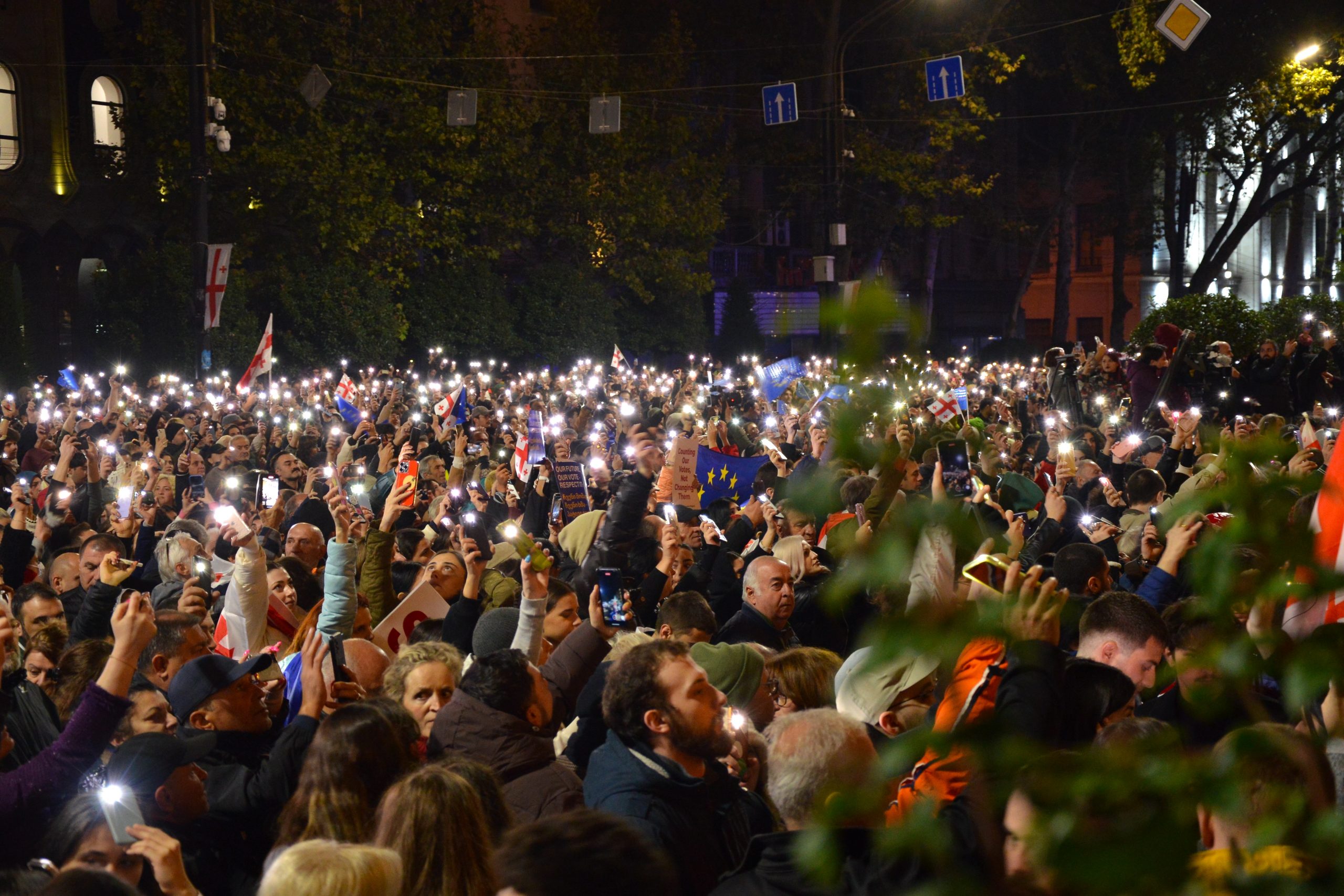
I was not proud of myself. Students or former ministers, craftsmen or academics, the Georgian demonstrators did not just thank me for coming to them. “Why aren’t you doing anything?”, they asked. “When will you take action against those responsible for electoral fraud, arrests and beatings?” When, but when, they insisted, will this Union they want so much to join really defend them?
I had the choice: to smooth-talk or to speak the truth. To announce the upcoming arrival of this delegation of members of the European Parliament, me among them, or to admit that, with the exception of France, the Member States remained much more cautious than the European Parliament, while it is they who define European policies. I had the choice, but I was not there to demoralise them. I did not have the right to do that, so I preferred – it is so much easier – to ask questions like a journalist rather than to answer like a politician.
I asked them: “Why do you seem to expect everything from the European Union? Why don’t you organise yourselves better? Isn’t it because you don’t have the means to win and you know it?”
I did not need to elaborate. Russia on their doorstep, Putin who had already stolen 20% of their territory in 2008, and the manipulated elections they had just lost, they knew all that better than I did but “we won’t lose”, they told me. “We are not Belarus”, they said, explaining to me that in the 35 years or so since it regained its independence, Georgia had seen many political changes and battles, that unlike Belarus, it had not remained under the thumb of a Soviet dictator and that it was too late to make it give up its freedom and return to the Russian fold.
A former foreign minister told me as much. Clusters of “peace and love” young people approved. In front of the Parliament, Georgia was united – and is united every evening – by the suspension of negotiations to join the Union. This is what ignited the fuse at the end of October, when the rigging of the elections had stunned the country. There was hardly any reaction at the time, but this decision so clearly signified that the Georgian Dream, the party in power, was closing the road to Brussels in order to reopen the road to Moscow that Georgia woke up suddenly, even in its small towns and villages.
The confrontation is striking. On one side, Bidzina Ivanichvili, a multi-billionaire who made his fortune in Russia and now controls the bulk of Georgia’s economy, parliament and police force; on the other, the overwhelming majority of Georgians who want to join the EU to escape Russia but whose only weapon is a powerless president, Salomé Zourabichvili, who is magnificent in her courage and determination but whose term of office expires at the end of December and whose successor, a far-right footballer, has already been appointed.
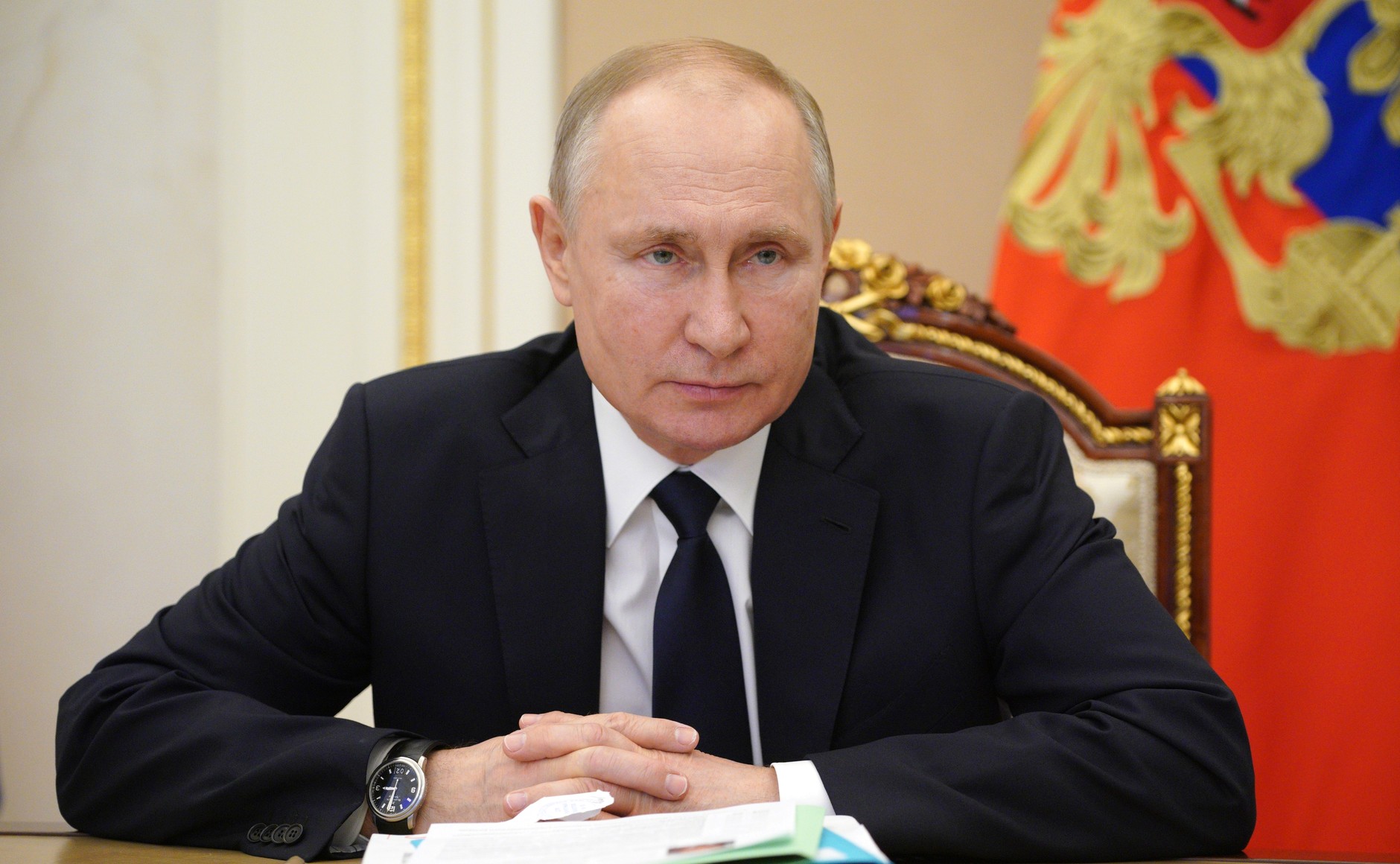
The world’s diplomacies would rather bet on the billionaire and his Russian godfather, but Georgia is not Belarus and now that he has lost Syria, it would be difficult for Vladimir Putin to send troops to Georgia when he lacks them in Ukraine. Seen from Tbilisi, little Stalin is beginning to run out of steam and I, for one, quickly began to think that these demonstrators were not necessarily deluding themselves.
The repression was violent. There are hundreds of arrests in a country of less than 4 million inhabitants, and the business community is making it clear that the economy would lose everything if it turned its back on trade with Europe. Petitions from civil servants in favour of the European route are multiplying. The all-powerful Ivanichvili himself has no desire to make a complete break with the Union, as his interests are strong there. No doubt he prefers to keep his connections in Brussels as well as in Moscow. Those close to him insist that negotiations with the 27 have only been suspended, not stopped. They are so worried that I was able to tell a senior member of the Georgian Dream, without him raising his voice or protesting, that it was up to his party to resolve the crisis it had caused and that new elections were needed before the situation became inextricable.
Nobody wants confrontation, but everything is leading to it. It could take place as early as 29 December, since Salomé Zourabichvili has no intention of handing over the presidency on that day to a successor that nobody wants. Perhaps it will be at a later date, but that is where we are headed because in Tbilisi we can see just how far the page of Sovietism has been turned.
From Kiev to Tbilisi, from Yerevan to Kishinev, Vladimir Putin would like to reconstitute a defeated Empire that will not be reborn, because one has to be well over 40 years old to remember it. Having returned from a past that he does not have the means to re-impose, this president belongs to the world of the living dead, and the Georgians are right. We should not fear him, but send him back to his grave.
(Photo: Jelger Groeneveld, CC BY 2.0, via Wikimedia Commons)